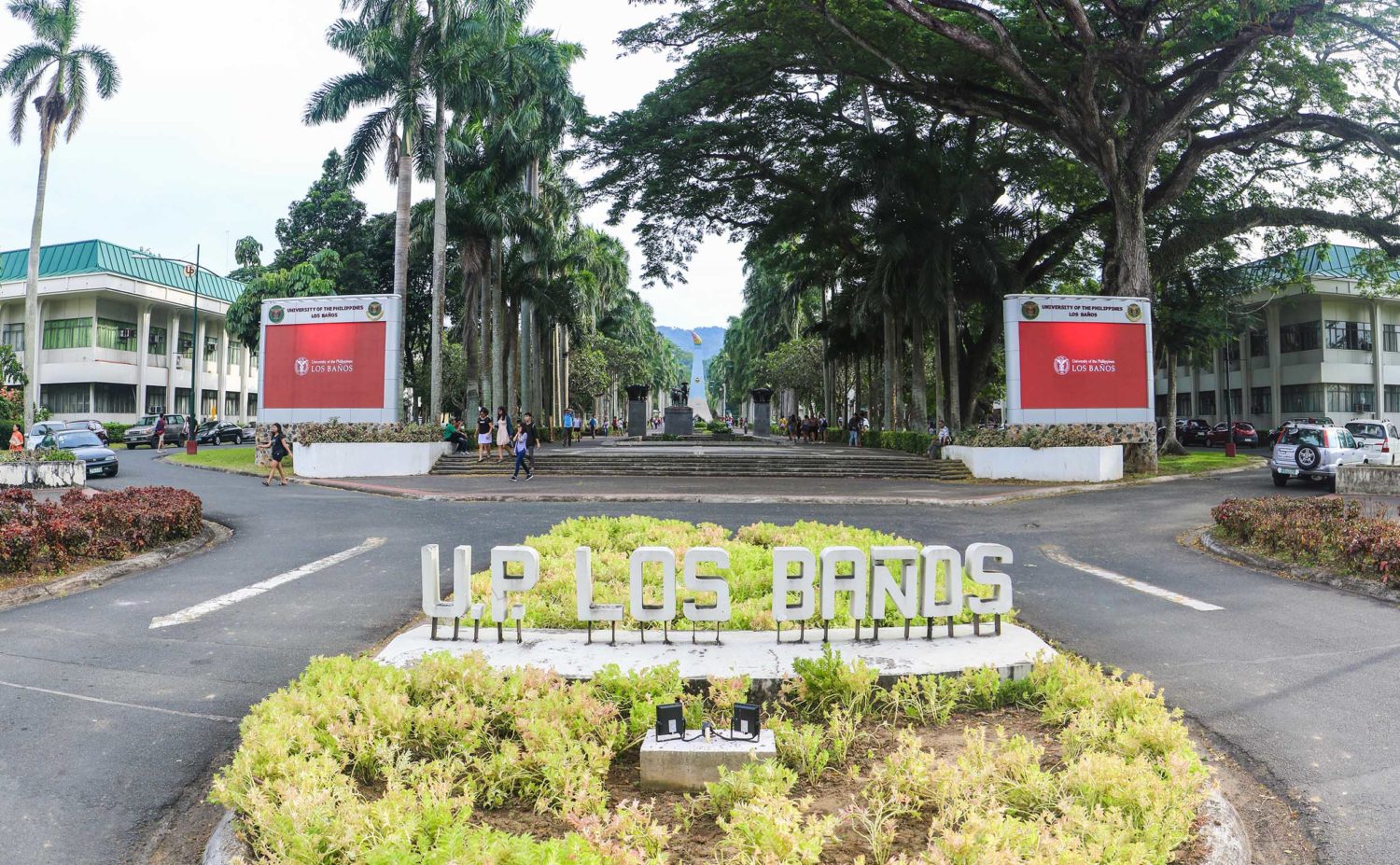
The University of the Philippines Los Baños (UPLB) has offered to convert its existing research laboratories to become a subnational testing center for the coronavirus.

Among the university’s options are laboratories housed at the Institute of Plant Breeding or the National Institute of Molecular Biology and Biotechnology (BIOTECH), with facilities both located right outside the academic campus.

Once functional, UPLB’s testing hub could be the first in Southern Luzon to complement the national government’s efforts to mass test thousands of suspected virus carriers.
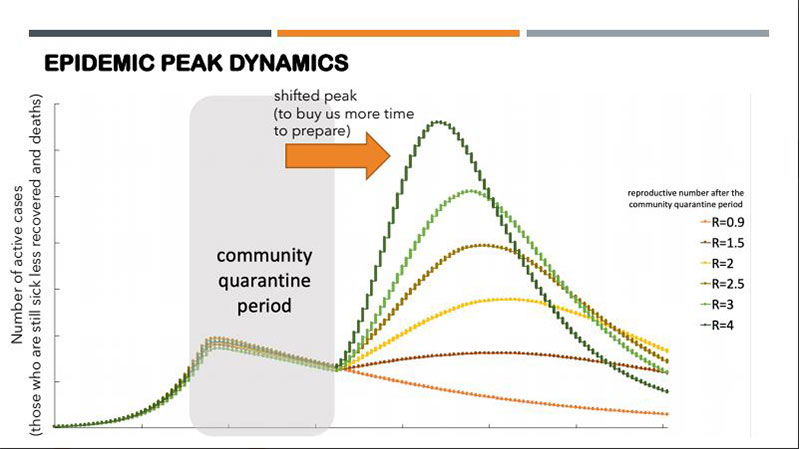
Data scientists from the University of the Philippines project the virus to infect around 600,000 to 1.4 million individuals in the country, with 80% from Metro Manila.

In its report, the UP COVID-19 Pandemic Response Team emphasized the need for community collaboration to fight the deadly virus, which has infected nearly one million people across the globe.

UPLB may be on SOS mode as it raised an urgent call for donations to provide food and other needs of around 1,500 of its students who are stranded in dorms inside and outside the campus due to the Luzon-wide enhanced community quarantine (ECQ).

But its heart for service as an institution and the independent acts of kindness of its constituents shine through the challenge that the country is facing with the COVID-19 pandemic.

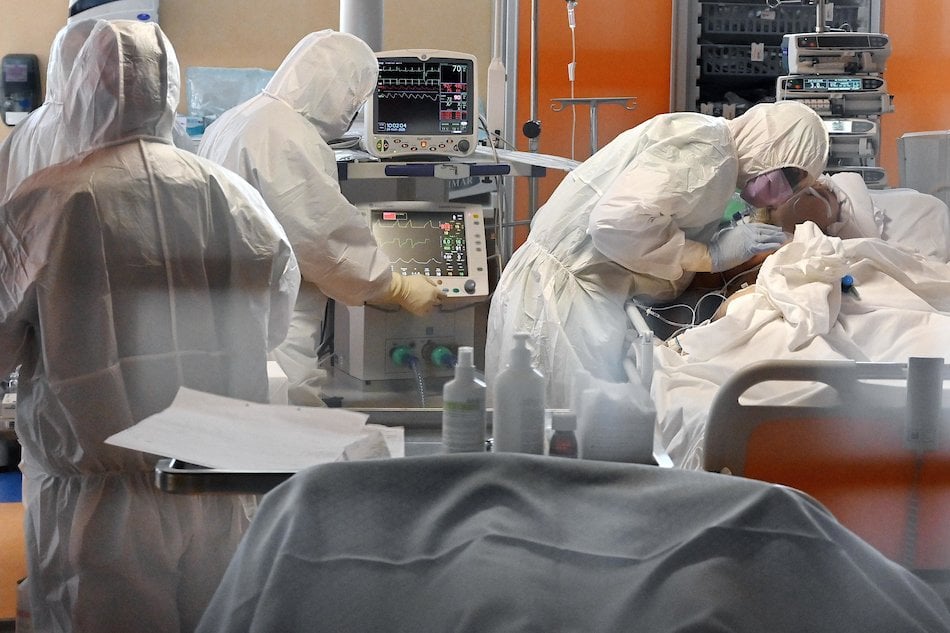
Scientists from the University of the Philippines are designing a more affordable ventilator that will help patients with the novel coronavirus breathe, the health department said Wednesday as cases of the respiratory disease continued to climb.
 
The UP-National Institutes for Health in Manila has almost finished designing the ventilator, said Health Undersecretary Maria Rosario Vergeire, who declined to give more details about the project.

If you were not able to watch the scheduled series of webinars of the UP Open University (UPOU) on How to Convert your Courses Online, fret not!  We’ve curated some of the best resources produced by UPOU to help you convert your courses online. These resources are Open Educational Resources (OERs) and  are licensed under Creative Commons which means that they are free and can be used by anyone.